The World Health Organisation (WHO) predicts that by 2030 there will be a global shortfall of 10m healthcare workers. The causes are varied. Many doctors and nurses are quitting the profession due to burnout after enduring three gruelling years of the pandemic. Others are put off entering the profession due to the stress caused by long hours and a heavy workload.
In the developed world, this shortage is creating ‘medical deserts’ where people are losing access to healthcare near where they live. In developing countries, the WHO estimates that 56% of people still lack access to essential health services and cannot reach a healthcare facility by foot within one hour.
Smart healthcare solutions with medical devices and AI
“Help is at hand. For the last few years digital healthcare technology has been advancing fast,” says Brown, Sector Chief Executive for Healthcare at Halma. “Innovative solutions using connected devices and artificial intelligence (AI) are now available to help meet the rising demand for better and more accessible healthcare. These advances have the potential to vastly improve access, quality of care, and patient experience while reducing the burden on doctors and nurses. This is the year when digital health comes of age.”
Access digital healthcare anywhere
“Digital healthcare solutions allow long-distance contact, care and monitoring between clinician and patient. The technology had been growing fast, and the pandemic accelerated its adoption,” says Brown. “Healthcare professionals who were unable to meet their patients face to face had to find new ways to connect. Now these digital-enabled services are set to become the standard, including using video calling to conduct routine appointments, to remotely monitoring vital signs in patients with chronic illnesses.
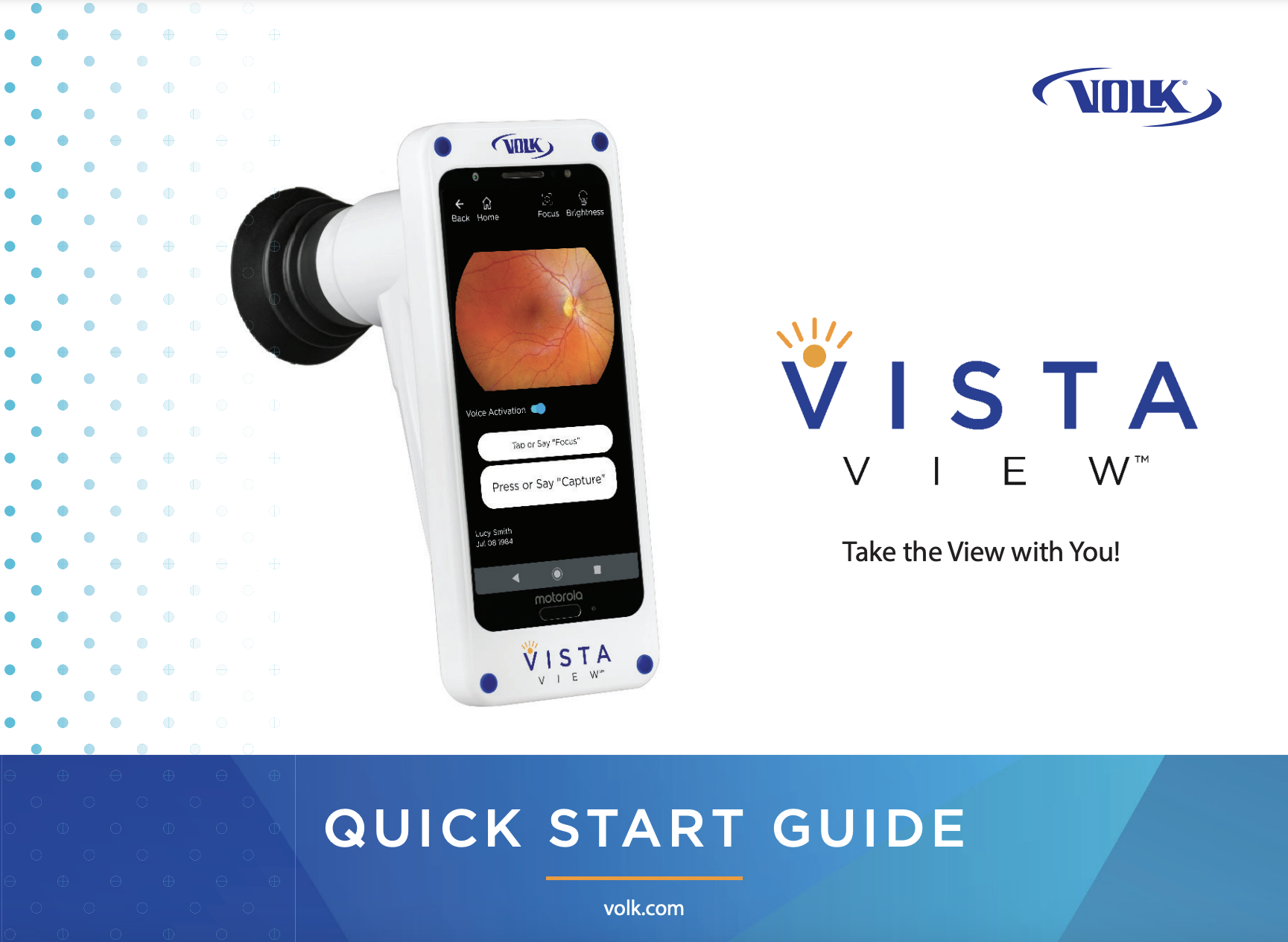
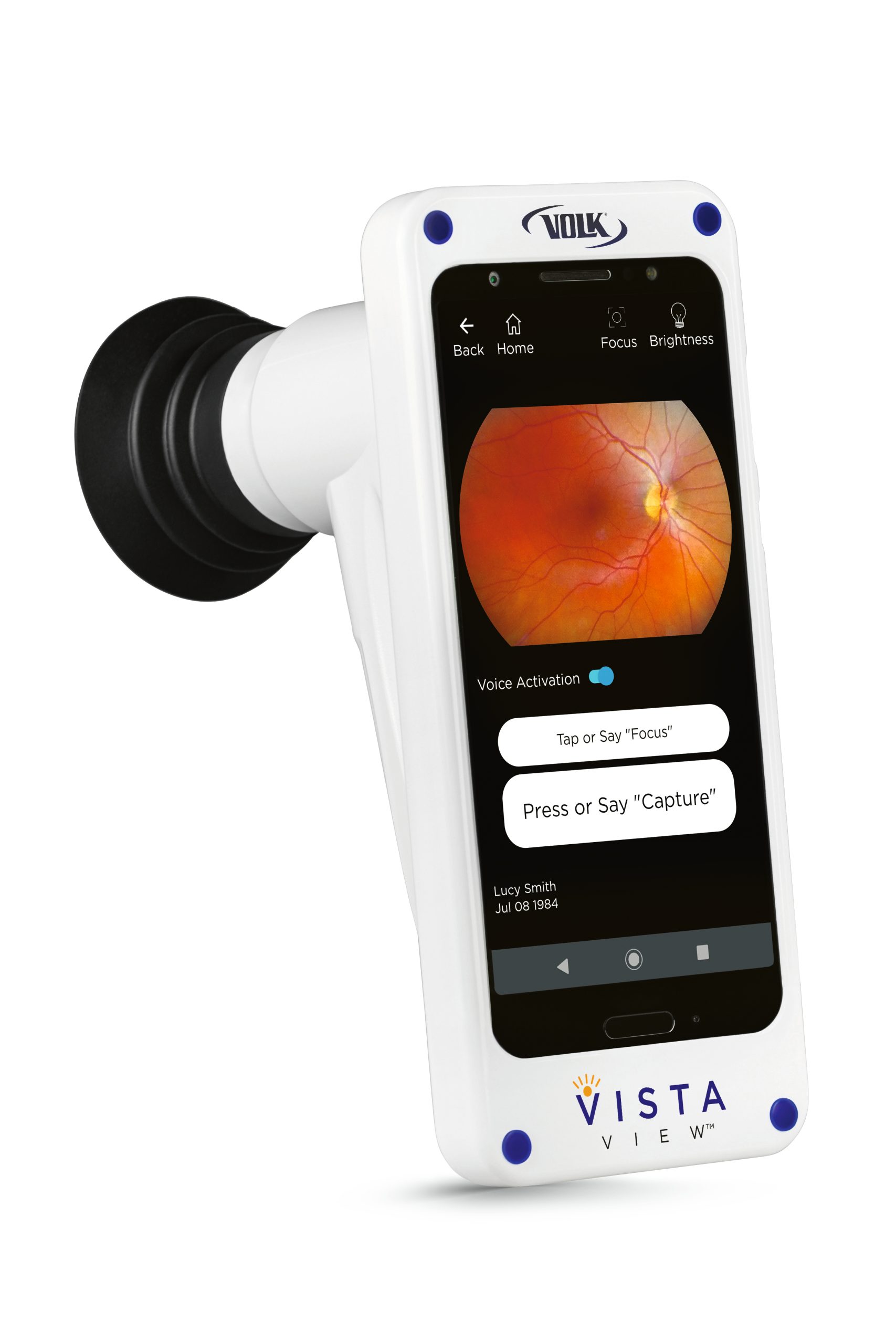
“The Volk VistaView® uses digital technology to help diagnose common eye health problems remotely. Its compact and easy-to-use retinal camera allows a healthcare worker in the field to take high quality images of a patient’s eye and then upload them for assessment by a trained eyecare professional miles away.
“People who live far from healthcare facilities or are too ill or poor to travel to a clinic, can now have their eyesight tested without ever having to leave their home. The technology can also be used for patients in nursing homes, for those with disabilities and for elderly patients suffering from mobility issues. This portable technology is already being used in a number of countries where there are remote healthcare access needs, including Honduras and India.”
VistaView is an extremely compact and affordable retinal camera that makes it possible to take high-quality images of the retina easily. The camera design combines the portability and connectivity of smartphone technology with specialised optics that allow anyone to take retinal images and send them to doctors for remote review and diagnosis. The intuitive user interface with voice activated image capture function makes accessibility to mass patient screening possible.
This lightweight, compact and consequently very mobile fundus camera is an easy-to-use device that helps detect diseases at an early stage and thus prevent blindness.